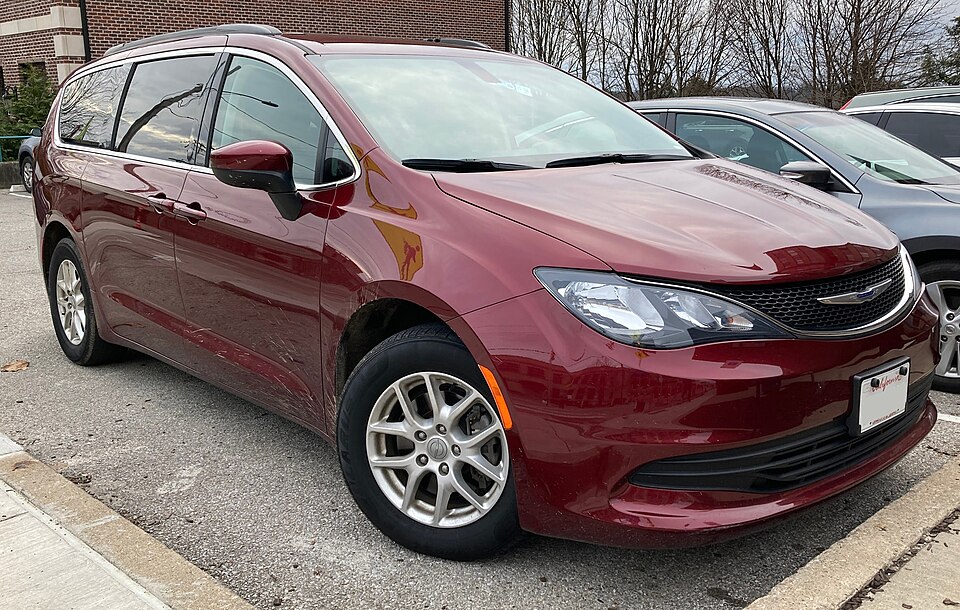
2026 Chrysler Voyager
The 2026 Chrysler Voyager is sold in the U.S. as a gas minivan. The most efficient version, the Voyager, is EPA-rated at 22 mpg combined. NHTSA lists 4 recall campaigns for this model year, which gives it a Safety Signal grade of C. NHTSA crash-tested it at 5 stars overall.
Specs & fuel economy
Source: EPA fueleconomy.gov| Configuration | Powertrain | Drive | Engine / motor | City | Hwy | Comb | Annual fuel* |
|---|---|---|---|---|---|---|---|
| Voyager | Gas | FWD | 3.6L 6-cyl | 19 | 28 | 22 | $2,850 |
*EPA estimate at 15,000 miles/year at EPA reference fuel and electricity prices. fueleconomy.gov record ids: 49435.
Insure it for less
Insurers price the 2026 Voyager very differently. A two-minute comparison across 100+ carriers is the cheapest ownership win there is.
Compare insurance →Affiliate disclosure: some links on this page are affiliate links. If you request a quote or buy through them we may earn a commission at no extra cost to you. Nothing on this page changes because of it.
Recalls (4)
Source: NHTSA recall databaseBack Over Prevention
78DAir Bags
Air Bags
06D, 10D, 11DOwner complaints
Source: NHTSA complaint databaseNo owner complaints on file with NHTSA for this model year.
Crash ratings
Source: NHTSA NCAP| Configuration | Overall | Frontal | Side | Rollover | Rollover risk |
|---|---|---|---|---|---|
| PV FWD | ★★★★★ | ★★★★★ | ★★★★★ | ★★★★☆ | 12% |
NHTSA New Car Assessment Program. Standard driver-assist: forward collision warning, lane departure warning, automatic emergency braking.
Other Voyager model years
Sources & method
Safety Signal starts every model-year at 100 and subtracts points per open NHTSA recall campaign by severity: critical 15 (fire risk, park-outside or do-not-drive advisories), high 8 (brakes, steering, airbags, loss of drive power, structure, battery), moderate 6, minor 3 (software, labels, lighting fixed by an update). Floor 35. A ≥ 90, B ≥ 80, C ≥ 70, D ≥ 60, otherwise F. Complaint counts and NHTSA crash ratings are shown separately and are not blended into the grade.
EPA figures come from fueleconomy.gov vehicle records. Recalls, complaints, investigations and crash ratings come from NHTSA's public flat files, refreshed weekly.