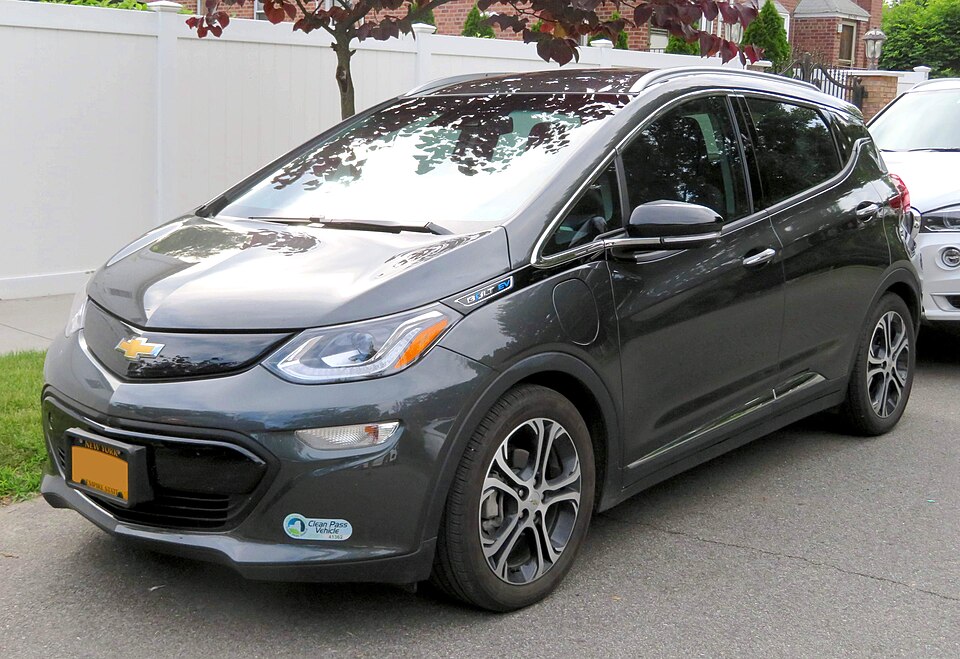
2020 Chevrolet Bolt EV
The 2020 Chevrolet Bolt EV is sold in the U.S. as a electric wagon. Its longest-range version, the Bolt EV, is EPA-rated at 259 miles with 118 MPGe combined efficiency. NHTSA lists 8 recall campaigns for this model year, 5 rated critical, which gives it a Safety Signal grade of F. Owners have filed 173 complaints, most often about the electrical system. NHTSA crash-tested it at 5 stars overall.
Specs & fuel economy
Source: EPA fueleconomy.gov| Configuration | Powertrain | Drive | Engine / motor | City | Hwy | Comb | Range | kWh/100mi | Charge (240V) | Annual fuel* |
|---|---|---|---|---|---|---|---|---|---|---|
| Bolt EV | Electric | FWD | 150 kW ACPM | 127 | 108 | 118 MPGe | 259 mi | 28.7 | 10 h | $650 |
*EPA estimate at 15,000 miles/year at EPA reference fuel and electricity prices. fueleconomy.gov record ids: 42191.
Factory warranty running out?
The 2020 Chevrolet Bolt EV is in the years where high-voltage electronics and module repairs land on the owner. Compare extended-coverage quotes in about two minutes.
Compare coverage →Affiliate disclosure: some links on this page are affiliate links. If you request a quote or buy through them we may earn a commission at no extra cost to you. Nothing on this page changes because of it.
Recalls (8)
Source: NHTSA recall databaseElectrical System
N242443000Structure
N232421970Seat Belts
N222383790Electrical System
N212345940Seat Belts
N202322230Service Brakes, Hydraulic
N202321400Latches/Locks/Linkages
A202298320NHTSA defect investigations
Electrical System:Propulsion System — Pedestrian alert sounds closed
NHTSA received a petition on or about July 18, 2022, requesting that Federal Motor Vehicle Safety Standard (FMVSS) 141 be applied to all electric and hybrid vehicles operating in the United States. The petition can be reviewed at NHTSA.gov under ODI Number 11486072. FMVSS 141 establishes performance requirements for pedestrian alert sounds for motor vehicles. The standard applies to hybrid and electric vehicles that have a gross vehicle weight rating of 4,536 KG or less or are defined as low-speed vehicles. The standard became fully applicable to all such vehicles manufactured on or after March 1, 2021.On January 27, 2023, NHTSA opened Defect Petition (DP) 22-005 to evaluate the subject matt
Opened Jan 27, 2023 · closed Aug 7, 2023 · action DP22005
Electrical System:Propulsion System:Traction Battery — Electric Vehicle Battery Fires closed
In October 2020, the Office of Defects Investigation (ODI) opened a Preliminary Evaluation (PE) on 2017-2020 Model Year (MY) Chevrolet Bolt vehicles based on complaints received alleging that the vehicles caught fire under the seating area while parked and unattended. At the time, ODI had received 2 Vehicle Owner Questionnaires (VOQs) and several field reports. All complaints alleged vehicles caught fire during or after electrical charging.ODI's review found vehicle thermal events occurred during and/or at the end of the battery module charging cycle. The information learned from NHTSA and General Motors joint vehicle inspections prompted General Motors to file Recall 20V-701 on April 29, 20
Opened Oct 9, 2020 · closed Feb 7, 2022 · action PE20016
Owner complaints
Source: NHTSA complaint database7 involved a crash · 4 a fire · 0 injuries · 0 deaths reported
Filed per year: 2020: 2 · 2021: 35 · 2022: 33 · 2023: 41 · 2024: 29 · 2025: 18 · 2026: 15
Most-cited components
What owners describe
Complaint counts are raw owner reports to NHTSA, not verified defects, and scale with how many were sold. Use them to spot patterns, not to rank.
Crash ratings
Source: NHTSA NCAP| Configuration | Overall | Frontal | Side | Rollover | Rollover risk |
|---|---|---|---|---|---|
| 5 HB FWD | ★★★★★ | ★★★★☆ | ★★★★★ | ★★★★★ | 10% |
NHTSA New Car Assessment Program.
Compare the 2020 Bolt EV with
Other Bolt EV model years
Sources & method
Safety Signal starts every model-year at 100 and subtracts points per open NHTSA recall campaign by severity: critical 15 (fire risk, park-outside or do-not-drive advisories), high 8 (brakes, steering, airbags, loss of drive power, structure, battery), moderate 6, minor 3 (software, labels, lighting fixed by an update). Floor 35. A ≥ 90, B ≥ 80, C ≥ 70, D ≥ 60, otherwise F. Complaint counts and NHTSA crash ratings are shown separately and are not blended into the grade.
EPA figures come from fueleconomy.gov vehicle records. Recalls, complaints, investigations and crash ratings come from NHTSA's public flat files, refreshed weekly.