⌘K
HomeHyundaiNexo2019
Hyundai · Compact SUV

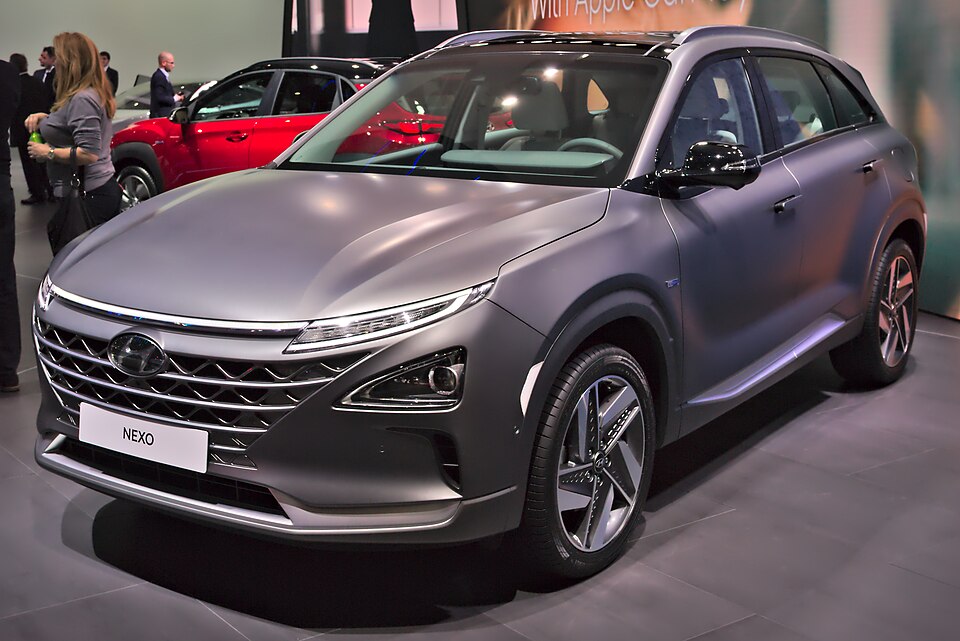
2019 Hyundai Nexo

Hydrogen fuel cell
Small Sport Utility Vehicle 2WD
2 EPA-rated configurations
Data refreshed 2026-09-11
F
Safety Signal
52 / 100 from the NHTSA recall record
Recalls3 critical4
Complaintsowner reports to NHTSA3
Crash ratingNHTSA overall
Fuel economybest combined, EPA61 mpg
20262025202420232022202120202019
Active NHTSA advisory: park outside and away from structures until repaired. Check your VIN at nhtsa.gov/recalls and see the recall details below.

The 2019 Hyundai Nexo is sold in the U.S. as a hydrogen fuel cell compact SUV with 2 EPA-rated configurations. The most efficient version, the Nexo Blue, is EPA-rated at 61 mpg combined. NHTSA lists 4 recall campaigns for this model year, 3 rated critical, which gives it a Safety Signal grade of F. Owners have filed 3 complaints, most often about the service brakes.

Specs & fuel economy

Source: EPA fueleconomy.gov
ConfigurationPowertrainDriveEngine / motorCityHwyCombAnnual fuel*
Nexo BlueHydrogen fuel cellFWD120 kW IPMSM655861
NexoHydrogen fuel cellFWD120 kW IPMSM595457

*EPA estimate at 15,000 miles/year at EPA reference fuel and electricity prices. fueleconomy.gov record ids: 47533, 47532.

Factory warranty running out?

The 2019 Hyundai Nexo is in the years where transmission, electronics and drivetrain repairs land on the owner. Compare extended-coverage quotes in about two minutes.

Compare coverage →

Affiliate disclosure: some links on this page are affiliate links. If you request a quote or buy through them we may earn a commission at no extra cost to you. Nothing on this page changes because of it.

Recalls (4)

Source: NHTSA recall database
!critical

Fuel System, Other

269
Park outside1,545 vehicles
ProblemHyundai Motor America (Hyundai) is recalling certain 2019-2024 Nexo vehicles. The thermally activated pressure relief device (TPRD) may break and cause a hydrogen gas leak, which can result in a fire while parked.RiskA vehicle fire increases the risk of injury.FixOwners are advised to park outside and away from structures until the recall remedy is completed. Dealers will replace the TPRD, free of charge. Interim notification letters, notifying owners of the safety risk, were mailed November 8, 2024. Final owner notification letters will be mailed in phases, beginning January 6, 2025. Owners may contact Hyundai Customer Service at 800-633-5151. Hyundai's number for this recall is 269.
NHTSA campaign 24V761000reported Oct 11, 2024Hyundai Motor America
!critical

Fuel System, Other

225
Park outside922 vehicles
ProblemHyundai Motor America (Hyundai) is recalling certain 2019-2021 Nexo vehicles. The hydrogen gas detection sensors may fail to detect leaks in the hydrogen gas delivery system.RiskA hydrogen gas leak can increase the risk of a fire while parked or driving.FixOwners are advised to park their vehicles outside and away from structures until the recall remedy is completed. Dealers will replace the hydrogen gas detection sensors, free of charge. Owner notification letters were mailed August 12, 2022. Owners may contact Hyundai customer service at 1-855-371-9460. Hyundai's number for this recall is 225.
NHTSA campaign 22V258000reported Apr 14, 2022Hyundai Motor America
!critical

Fuel System, Other

224
Park outside54 vehicles
ProblemHyundai Motor America (Hyundai) is recalling certain 2019 Nexo vehicles. Following hydrogen refueling, the inlet receptacle filter could detach and cause a hydrogen fuel leak.RiskA hydrogen leak in the presence of an ignition source can increase the risk of a fire.FixOwners are advised to park outside and away from structures until the recall repair is complete. Dealers will replace the hydrogen fuel inlet receptacle, free of charge. Owner notification letters were mailed September 21, 2022. Owners may contact Hyundai customer service at 1-855-371-9460. Hyundai's number for this recall is 224.
NHTSA campaign 22V228000reported Apr 7, 2022Hyundai Motor America
minor

Service Brakes, Hydraulic

199
8,176 vehicles
ProblemHyundai Motor America (Hyundai) is recalling certain 2019-2020 Nexo Fuel Cell and 2019-2021 Kona Electric vehicles. The Integrated Electronic Brake (IEB) system may detect an abnormal sensor signal and as a result, may significantly reduce braking performance.RiskReduced braking power could lengthen the distance required to stop the vehicle, increasing the risk of a crash.FixHyundai will notify owners, and dealers will update the IEB software, free of charge. The recall began January 25, 2021. Owners may contact Hyundai customer service at 1-855-371-9460. Hyundai's number for this recall is 199.
NHTSA campaign 20V748000reported Dec 1, 2020Hyundai Motor America

Owner complaints

Source: NHTSA complaint database
3complaints filed

0 involved a crash · 0 a fire · 0 injuries · 0 deaths reported

Filed per year: 2019: 1 · 2022: 2

Most-cited components

Service Brakes1
Unspecified1
Fuel/Propulsion System1

What owners describe

“I bought a 2019 Hyundai Nexo Fuel Cell on 04/29/2020 from Lithia Hyundai of Mission Hills without been notified of the two existent recalls with no remedy yet available from Hyundai. In fact, these Recalls shown in the Carfax report, were undisclosed by giving me to sign the last page "as a confirmation I was going to …”Jun 20, 2022 · Fuel/Propulsion System · NHTSA owner report

Complaint counts are raw owner reports to NHTSA, not verified defects, and scale with how many were sold. Use them to spot patterns, not to rank.

Crash ratings

Source: NHTSA NCAP

NHTSA has not published 5-Star crash ratings for this model year.

Other Nexo model years

Sources & method

Safety Signal starts every model-year at 100 and subtracts points per open NHTSA recall campaign by severity: critical 15 (fire risk, park-outside or do-not-drive advisories), high 8 (brakes, steering, airbags, loss of drive power, structure, battery), moderate 6, minor 3 (software, labels, lighting fixed by an update). Floor 35. A ≥ 90, B ≥ 80, C ≥ 70, D ≥ 60, otherwise F. Complaint counts and NHTSA crash ratings are shown separately and are not blended into the grade.

EPA figures come from fueleconomy.gov vehicle records. Recalls, complaints, investigations and crash ratings come from NHTSA's public flat files, refreshed weekly.

JSON for this page · API