⌘K
HomeAudiA72018
Audi · Midsize car

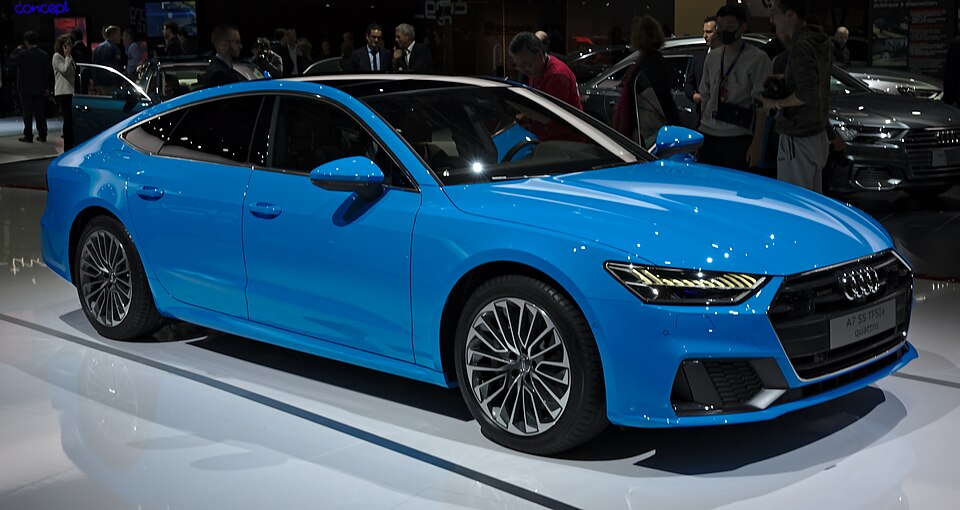
2018 Audi A7

Gas
Midsize Cars
1 EPA-rated configurations
Data refreshed 2026-09-11
C
Safety Signal
77 / 100 from the NHTSA recall record
Recalls1 critical2
Complaintsowner reports to NHTSA3
Crash ratingNHTSA overall
Fuel economybest combined, EPA23 mpg
2025202420232022202120202019201820172016

The 2018 Audi A7 is sold in the U.S. as a gas midsize car. The most efficient version, the A7 quattro, is EPA-rated at 23 mpg combined. NHTSA lists 2 recall campaigns for this model year, 1 rated critical, which gives it a Safety Signal grade of C. Owners have filed 3 complaints, most often about the fuel system, gasoline.

Specs & fuel economy

Source: EPA fueleconomy.gov
ConfigurationPowertrainDriveEngine / motorCityHwyCombAnnual fuel*
A7 quattroGasAWD3.0L 6-cyl202923$3,350

*EPA estimate at 15,000 miles/year at EPA reference fuel and electricity prices. fueleconomy.gov record ids: 38915.

Factory warranty running out?

The 2018 Audi A7 is in the years where transmission, electronics and drivetrain repairs land on the owner. Compare extended-coverage quotes in about two minutes.

Compare coverage →

Affiliate disclosure: some links on this page are affiliate links. If you request a quote or buy through them we may earn a commission at no extra cost to you. Nothing on this page changes because of it.

Recalls (2)

Source: NHTSA recall database
!critical

Fuel System, Gasoline

24DP
74,881 vehicles
ProblemVolkswagen Group of America, Inc. (Audi) is recalling certain 2016-2018 Q7, A6 and A7 vehicles, and 2015-2018 Audi A8 vehicles. The left and right fuel rails may leak fuel.RiskA fuel leak in the presence of an ignition source can increase risk of a fire.FixAudi has notified owners, and dealers will replace the left and right fuel rail, free of charge. The recall began February 28, 2019. Owners may contact Audi customer service at 1-800-253-2834. Audi's number for this recall is 24DP.
NHTSA campaign 19V035000reported Jan 16, 2019Volkswagen Group of America, Inc.
high

Air Bags

74D5
139,249 vehicles
ProblemVolkswagen Group of America, Inc. (Volkswagen) is recalling certain 2013-2018 Audi S6 and S7, 2012-2018 A7 and A6 Sedan, and 2014-2018 RS7 vehicles equipped with basic seats (with or without heating). Stress or wear of the body-sensing mat within the front passenger seat may cause the Passenger Occupant Detection System (PODS) control module to malfunction.RiskIf the PODS module malfunctions, the front passenger air bag may not deploy properly in the event of a crash, increasing the risk of injury.FixVolkswagen will notify owners, and dealers will install a PODS system repair kit, free of charge. The recall began November 29, 2018. Owners may contact Audi customer service at 1-800-253-2834. Volkswagen's number for this recall is 74D5.
NHTSA campaign 18V370000reported Jun 4, 2018Volkswagen Group of America, Inc.

Owner complaints

Source: NHTSA complaint database
3complaints filed

0 involved a crash · 0 a fire · 0 injuries · 0 deaths reported

Filed per year: 2019: 1 · 2020: 1 · 2024: 1

Most-cited components

Unspecified2
Fuel System, Gasoline1
Electrical System1
Service Brakes1

What owners describe

“My 2018 Audi A7 auto start / stop system has a very noticeable violent jerk when the engine restarts or I let off the brake.”Apr 4, 2024 · Electrical System · NHTSA owner report

Complaint counts are raw owner reports to NHTSA, not verified defects, and scale with how many were sold. Use them to spot patterns, not to rank.

Crash ratings

Source: NHTSA NCAP

NHTSA has not published 5-Star crash ratings for this model year.

Other A7 model years

Sources & method

Safety Signal starts every model-year at 100 and subtracts points per open NHTSA recall campaign by severity: critical 15 (fire risk, park-outside or do-not-drive advisories), high 8 (brakes, steering, airbags, loss of drive power, structure, battery), moderate 6, minor 3 (software, labels, lighting fixed by an update). Floor 35. A ≥ 90, B ≥ 80, C ≥ 70, D ≥ 60, otherwise F. Complaint counts and NHTSA crash ratings are shown separately and are not blended into the grade.

EPA figures come from fueleconomy.gov vehicle records. Recalls, complaints, investigations and crash ratings come from NHTSA's public flat files, refreshed weekly.

JSON for this page · API